


Emily's Expert Tips
By Emily Edgecombe
As the year draws to a close, whether it’s the work calendar winding down, family gatherings approaching, or the pressures of festive celebrations, stress often creeps in. Many of us notice prolonged tension, disrupted sleep, and low energy. Clinically, stress triggers the “fight or flight” response, bringing restricted breathing, muscular tension, and elevated cortisol levels. Becoming aware of the subtle signals your body sends is key to managing stress effectively.
Ignoring these signs comes at a cost. Headaches, muscle tension, and fatigue can escalate into more serious concerns such as burnout, anxiety, and chronic pain. The good news is chronic stress can be prevented with early intervention.
Therapies That Help the Body Reset
Several therapies can support your body’s natural ability to restore balance. Acupuncture has been used for
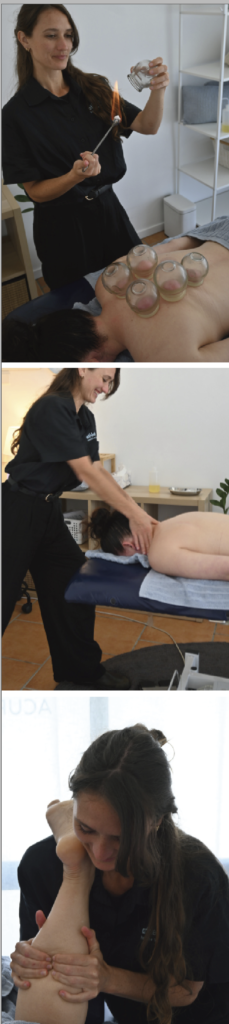
centuries in Traditional Chinese Medicine to stimulate the nervous system, increase blood flow, and release endorphins—reducing pain and boosting mood. It addresses not only muscular pain but also sleep issues, stress, digestive disorders, fertility, pregnancy, allergies, and more. Specific points are selected along channels mapped on the body to trigger precise actions via the peripheral nerves, supporting overall balance and wellbeing.
Cupping encourages local blood flow and fascial release, helping muscles recover and easing tension.
Craniosacral therapy is a gentle, hands-on approach that lowers stress and releases stored trauma. By modulating the parasympathetic nervous system, calming the amygdala, and increasing oxytocin, it reduces stress-related physiological arousal and promotes a deep sense of relaxation.
Daily Practices That Make a Difference
Together, these therapies complement lifestyle practices to restore equilibrium and enhance resilience. Small, intentional habits can significantly improve stress management. Evidence shows that deep diaphragmatic breathing, short mindfulness sessions, gentle stretching, and moderate exercise reduce sympathetic nervous system activity while enhancing parasympathetic function.
A simple practice to adopt through to the end of the year is ten to twenty minutes of full-body relaxation or yoga nidra daily. This can improve cognitive function, sleep quality, and emotional regulation.
Prioritise Health, Prioritise You
Health is our most valuable asset. Without it, we cannot fully show up for our family, careers, or the things we love. Receiving care is not indulgent, it’s essential. Prioritising restorative practices, whether through manual therapy, medical care, or social support, allows the nervous system to recover and prevents stress-related disorders. The body thrives on both activity and rest, and creating space for self-care helps maintain that delicate balance.
This summer, tune in to your body’s signals and integrate simple, evidence-based practices to manage stress. By combining professional therapies with small daily routines, you can support your body’s natural regulatory systems, restore balance, and enter the holidays with renewed energy and resilience.