



Designing Homes That Feel Right
Photos Andy Macpherson Photography
Tweed Coast Living sat down with the team at Aspect Architecture, based in Kingscliff, to talk about what makes a home more than just a building. For them, it begins with connection; to the site, to the people who live there and to the deeper purpose behind the project.
Listening to the Site
“Every site has its own orientation, climate, views, topography and opportunities, and our role is to listen carefully to those conditions before proposing a design response,” they explain.
Rather than imposing a design, the team studies how the land behaves — where the sun moves, how breezes travel, what views reveal themselves. Homes shaped by these conditions feel grounded and specific to their location. They cannot simply be transplanted elsewhere because they are born from the qualities of that place.
When a house opens to winter sun, shields itself from summer heat and connects naturally to gardens or courtyards, comfort becomes effortless.
Narrative Over Trends
For Aspect Architecture, longevity comes from narrative, not fashion.
“Trends tend to operate at a surface level and change quickly, whereas narrative emerges from a deeper understanding of site, people and purpose.”
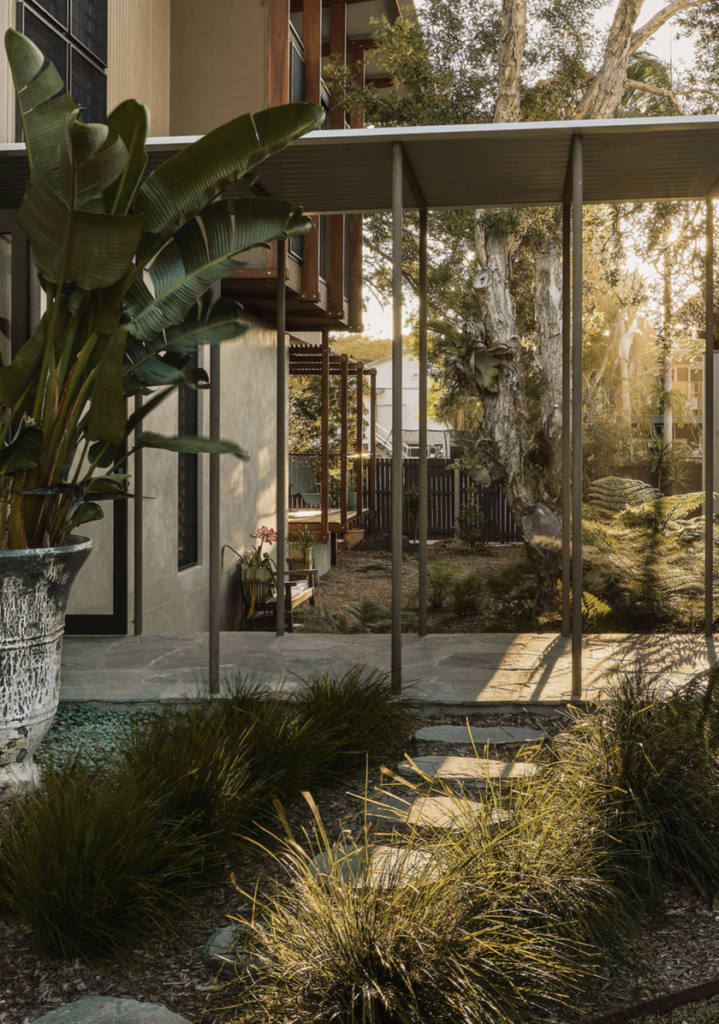
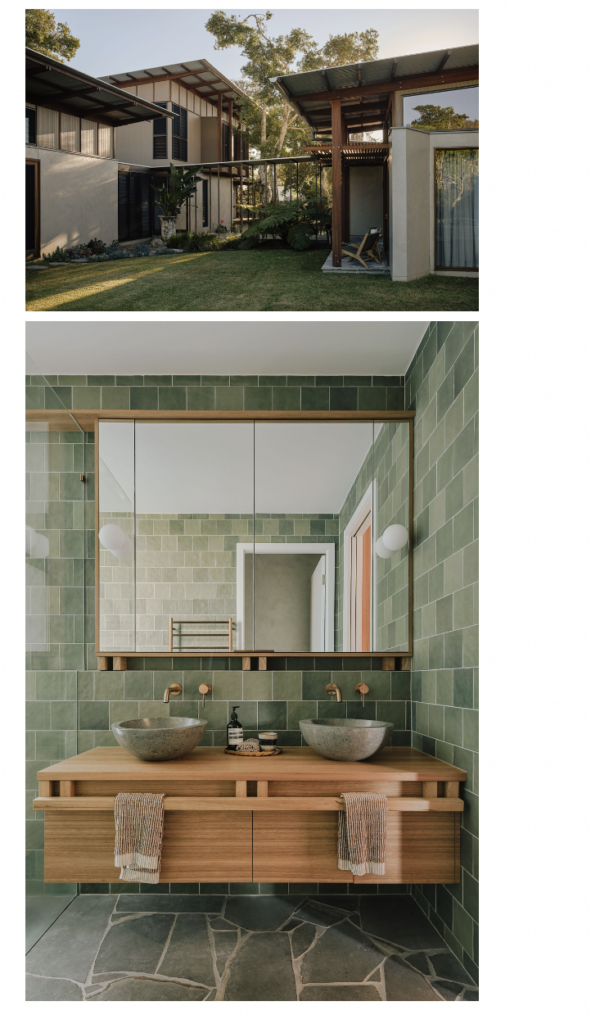
At Tirra Lirra House in Fingal, stone and masonry reflect the cliffs of the headland, while lighter structures extend into the garden like vegetation growing from rock. The materials and spatial experience are drawn directly from the landscape.
“This narrative not only shaped the architecture and decisions around materiality and fixtures, but also created a home whose story can be felt and easily shared.”
It is this clarity of story that allows a home to remain meaningful long after design trends have passed.
Function as Beauty
There is also a strong emphasis on how a home works.
“Homeowners shouldn’t be afraid to prioritise function over visual aesthetics. Honest materiality and well-considered function have a beauty of their own.”
Spaces designed around gathering, retreat, rest and movement tend to feel intuitive. When rooms are scaled to everyday life rather than to photographs, comfort follows naturally. Function and beauty are not opposites; craftsmanship and thoughtful planning allow the practical to become considered and calm.
Designing for Climate + Light
In coastal and regional environments, climate responsiveness can make the greatest difference to comfort.
“By harnessing cross-ventilation, providing strategic openings, incorporating sun shading and thoughtful landscaping, homes can remain naturally cool in summer and warm in winter.”
Light, orientation and materials shape mood just as much as layout. Timber brings warmth, stone offers grounding, and softer natural colours promote calm. Sunlight and breeze are not decorative additions — they are fundamental elements of how a home feels.
Too often, houses are designed in isolation from their surroundings.
“We plan with the whole site in mind, where the experience begins at the front boundary gate rather than the front door.”
Movement through the property becomes a sequence of experiences, blurring inside and outside and allowing the building to feel like an extension of the landscape rather than something placed upon it.
Starting with Purpose
For those beginning a build or renovation, the team encourages clarity before finishes.
“Before colour swatches, finishes or Pinterest boards, it’s important to ask what the project is truly about. Is the goal to enhance lifestyle and experience, or to keep up appearances?”
Often, one or two well-considered design decisions resolve planning challenges more effectively than increasing size or complexity. A strong core idea, refined carefully, has the greatest long-term impact.
“Good design responds to basic human needs and then builds upon them to enhance everyday life.”
When site, people and purpose align, architecture does more than provide shelter. It creates homes that feel grounded, enduring and deeply connected to the way we live.
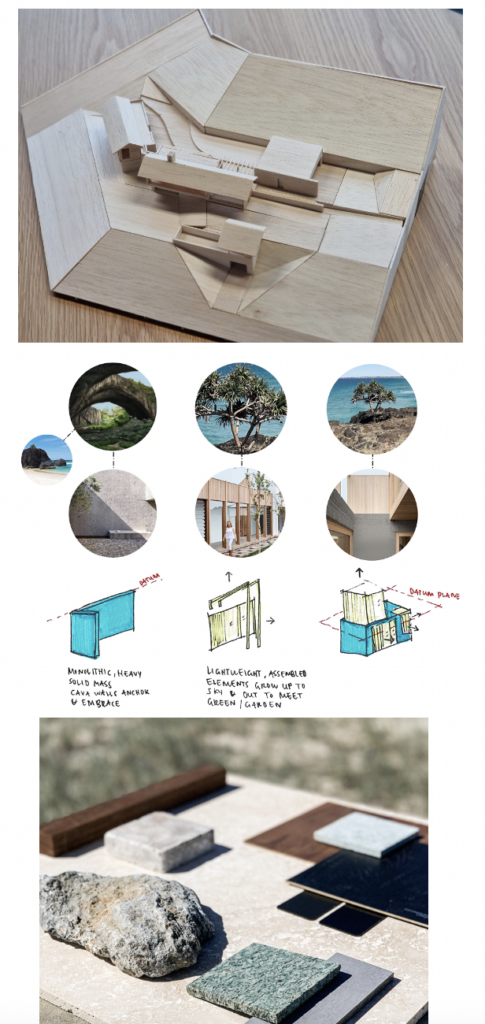
The architectural process in the form of model making, diagrams and imagery for
narrative development and
translation of idea to architecture, alongside material mood boards capturing the look and feel of key material selections.
